Optical Isomerism (Stereochemistry) questions: Find the relationship
21 questions, each with the answer and a worked solution under it. Try each one before you open the answer.
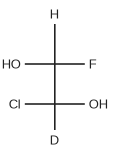
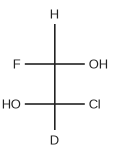
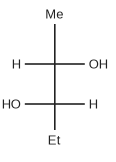
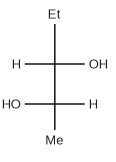
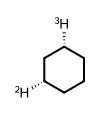
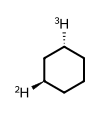
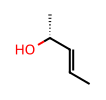
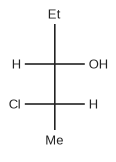
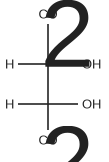
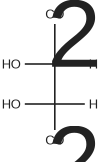
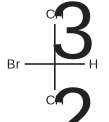
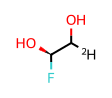
Identical, enantiomers, diastereomers or constitutional isomers? Pairs drawn with wedges are redrawn from the same compounds; Fischer pairs are copied as given.


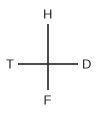
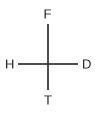
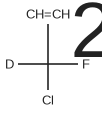
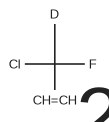
Show answer and solution
1 enantiomers 2 enantiomers ( the second drawing has I in place of T, which would make them different compounds; read it as CFClBrT) 3 identical 4 identical 5 enantiomers 6 identical.
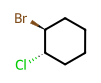
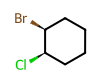
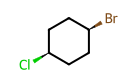
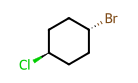


Show answer and solution
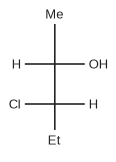
7 diastereomers 8 diastereomers 9 diastereomers 10 enantiomers 11 positional isomers (2-chloropentan-3-ol vs 3-chloropentan-2-ol) 12 diastereomers (cis- and trans-cyclooctene) 13 diastereomers.
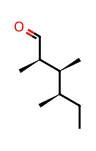
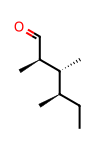
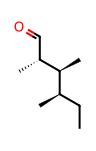
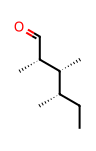
Four stereoisomers of 2,3,4-trimethylhexanal, A to D (wedge drawings). Give the relationships.
Show answer and solution
A and D: enantiomers (every centre inverted). A and B, B and C, A and C: diastereomers.


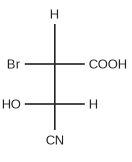
Show answer and solution
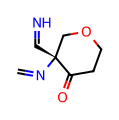
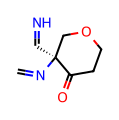
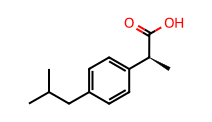
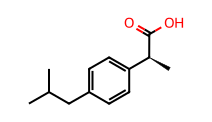
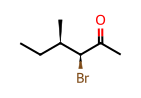
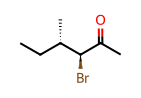
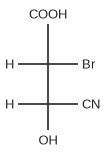
15 enantiomers 16 identical (ibuprofen drawn two ways) 17 identical 18 diastereomers 19 diastereomers 20 constitutional isomers (tautomers: acetone and its enol).
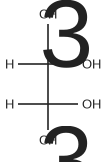
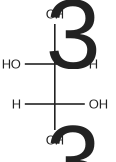
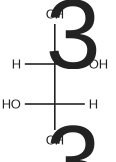


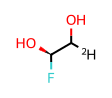
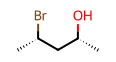
25 (a) is a ball-and-stick model of 2-bromobutane.
Show answer and solution
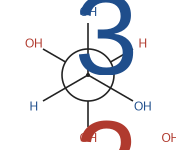
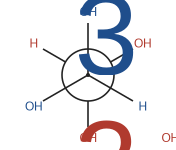
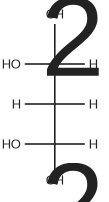
21 (b) and (c) enantiomers; (a) (meso) is a diastereomer of each 22 identical (both meso-tartaric acid; rotate one by 180 in the plane) 23 enantiomers 24 identical 25 enantiomers 26 enantiomers.
Show answer and solution
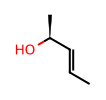
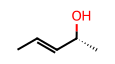
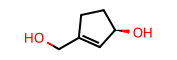
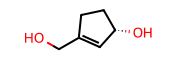
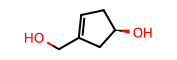
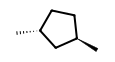
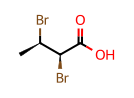
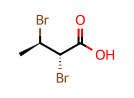
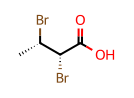
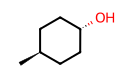
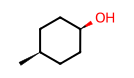
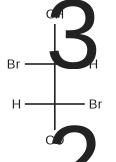
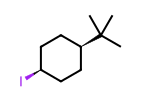
27 identical. 28 diastereomers (same centre, but E vs Z double bond). 29 enantiomers. 30 constitutional isomers (OH on a different ring carbon (positional)). 31 enantiomers.

Show answer and solution
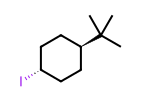
32 identical. 33 diastereomers (only C2 differs). 34 identical. 35 enantiomers. 36 diastereomers (cis vs trans).
Show answer and solution
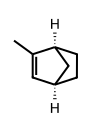
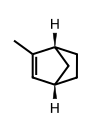
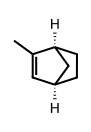
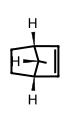
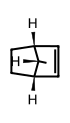
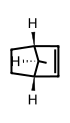
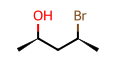
37 diastereomers (cis vs trans). 38 enantiomers. 39 identical. 40 identical (achiral, mirror plane through C7). 41 diastereomers (methyl syn vs anti to the C=C).
Show answer and solution
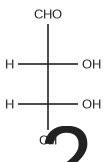
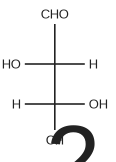
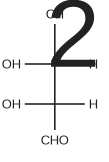
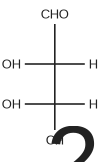
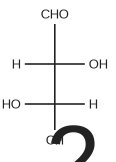
42 diastereomers ((b) is a threose). 43 identical. 44 enantiomers ((b) is L-erythrose). 45 diastereomers ((b) is a threose). 46 identical.


Show answer and solution
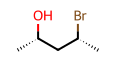
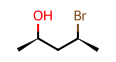
47 enantiomers. 48 identical. 49 enantiomers. 50 enantiomers. 51 identical.
Show answer and solution
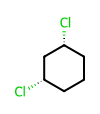
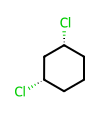
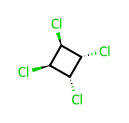
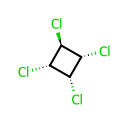
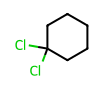
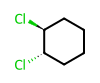
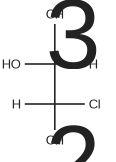
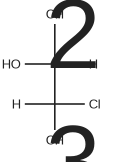
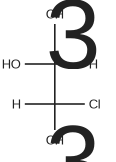
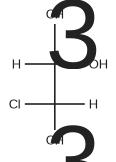
52 identical (cis-1,3 isomer is meso; (b) is the ring-flipped chair). 53 diastereomers. 54 constitutional isomers (3-chloropentan-2-ol vs 2-chloropentan-3-ol). 55 enantiomers. 56 constitutional isomers (1,1- vs 1,2-dichloro).


Show answer and solution
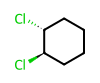
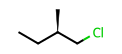
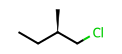
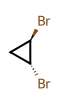
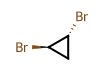
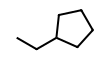
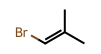
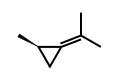
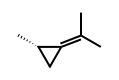
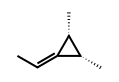
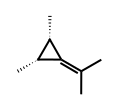
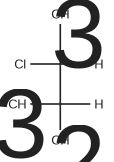
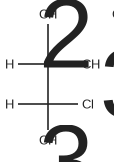
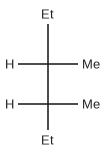
57 enantiomers (trans-1,2 isomer is chiral). 58 identical. 59 identical. 60 constitutional isomers. 61 identical (no stereoisomer possible, one alkene carbon has two CH3).
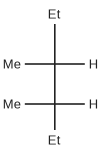
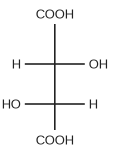
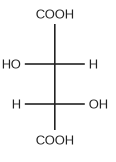
Show answer and solution
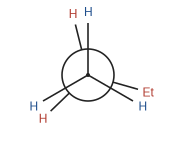
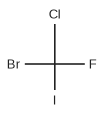
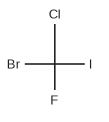
62 identical. 63 enantiomers. 64 different compounds, not isomers (different formulas (C7H12 vs C8H14)). 65 identical (meso compound). 66 enantiomers.
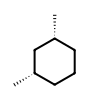


Show answer and solution
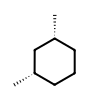
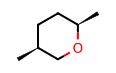
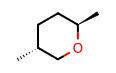
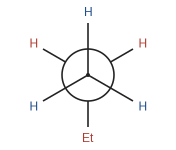
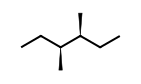
67 identical (both are butane; only rotation about C-C differs). 68 enantiomers (one swap of two groups). 69 identical (cis-1,3 is meso). 70 diastereomers (trans vs cis). 71 diastereomers.

Show answer and solution
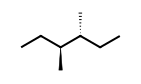
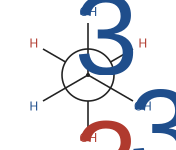
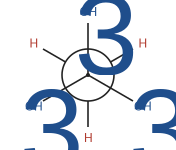
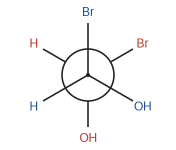
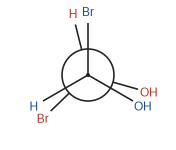
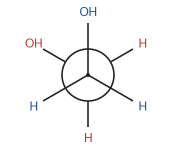
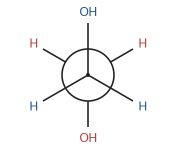
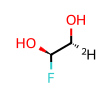
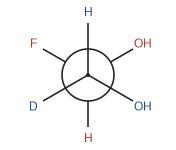
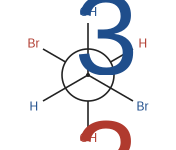
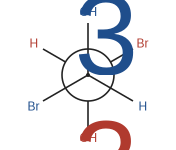
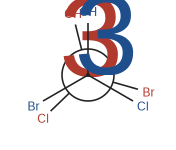
72 constitutional isomers (2-methylbutane vs 2,2-dimethylpropane). 73 diastereomers. 74 diastereomers (one is meso, the other chiral). 75 identical (both ethane-1,2-diol (gauche and anti)). 76 enantiomers.

Show answer and solution
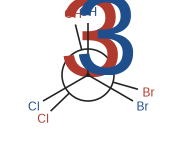
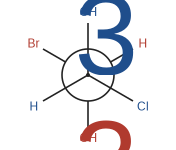
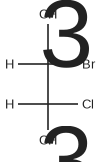
77 identical. 78 identical (meso-2,3-dibromobutane). 79 identical. 80 diastereomers ((b) is the meso form, (a) is chiral). 81 enantiomers.
Show answer and solution
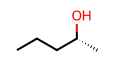
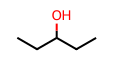
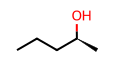
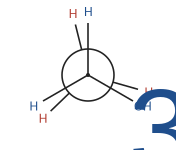
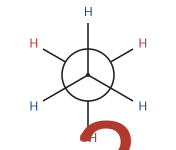
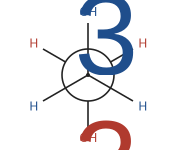
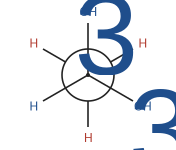
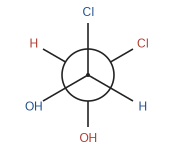
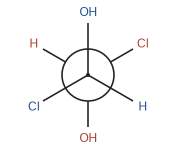
82 constitutional isomers (pentan-2-ol vs pentan-3-ol). 83 conformers of the same compound (both are propane: eclipsed vs staggered). 84 constitutional isomers (butane vs 2-methylpropane). 85 diastereomers. 86 enantiomers.
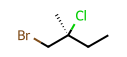
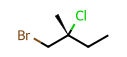
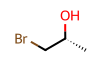
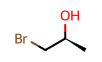


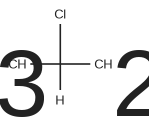
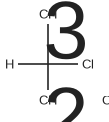
Show answer and solution
87 enantiomers. 88 enantiomers (the original question prints CH3Br, read as CH2Br). 89 enantiomers. 90 identical (Answer key: enantiomers. The pair is drawn exactly as in item 93; going from (a) to (b) swaps CH3/OH and H/Br, two swaps, so the configuration is kept. Identical is correct). 91 enantiomers.


Show answer and solution
92 enantiomers. 93 identical. 94 different compounds, not isomers ((b) has D in place of H). 95 enantiomers. 96 enantiomers.
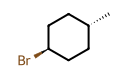
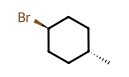
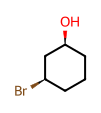
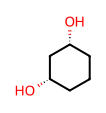
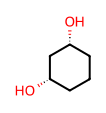
Show answer and solution
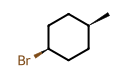
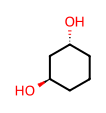
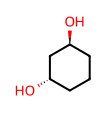
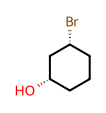
97 identical. 98 diastereomers. 99 enantiomers (trans-1,3 isomer is chiral). 100 identical. 101 identical (cis-1,3 diol, meso; (b) is the flipped chair).
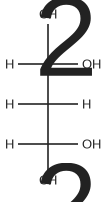
Show answer and solution
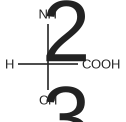
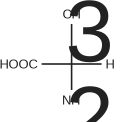
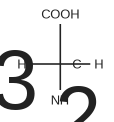
102 identical (meso diol). 103 identical (180 degree rotation in the plane). 104 enantiomers.