Topic 3 of 4
Steps for naming
Nomenclature of Polyfunctional Compounds notes: Steps for naming, explained step by step, with 1 worked example.
Order of decisions
- Find the principal group (highest in the list). It gives the suffix.
- Choose the parent chain: it must contain the principal group (as many of them as possible), then the maximum number of multiple bonds, then the longest chain, then the most substituents.
- Number: lowest locant to the principal group; then to multiple bonds (as a set; C=C wins a tie with CC); then to all prefixes as a set; then alphabetical order.
- Write prefixes alphabetically, then root, unsaturation, suffix.
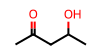
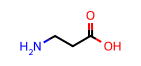
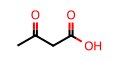
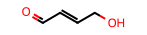
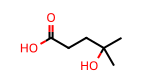
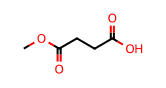
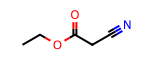
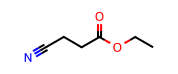
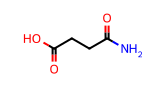
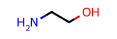
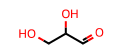
Worked example: Name the compound
Name .
Show answer and solution
Principal group: COOH (C1). Chain of 5 C ending in CHO. The aldehyde carbon is in the chain, so it is an oxo prefix (formyl only when its C is outside the chain). C1 COOH, C3 OH, C5 =O. Name: 3-hydroxy-5-oxopentanoic acid.