Geometrical (cis-trans, E/Z) Isomerism questions: Multiple choice
2 questions, each with the answer and a worked solution under it. Try each one before you open the answer.
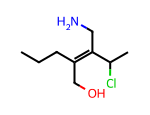
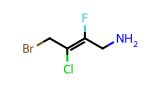
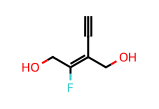
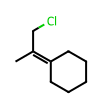
Which alkene has the Z configuration along the C=C bond?
Show answer and solution
(A), (C). (A) Left carbon: (O) > propyl. Right carbon: (Cl) > (N). Both higher groups are on the lower side: Z. (B) Cl > (first atom Cl beats C); F > . Cl and F are on opposite sides: E. (C) (O,H,H) > CCH (C,C,C); F > . and F are on the same side: Z. (D) The ring carbon carries two identical ring arms: no E/Z.
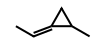
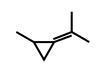
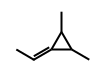
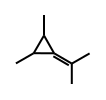
Among the following compounds, which can show geometrical isomerism?
Show answer and solution
(A), (C), (D). (A) The two ring arms of C1 differ (one leads to CH-CH3, one to ), and the other alkene carbon has and H: E/Z exists. (B) end and only one ring substituent: no geometrical isomers. (C) and (D) The two ring methyls can be cis or trans. In (C) the exocyclic C=C does not add more geometrical isomers: in the cis-ring compound the two possible positions of the ethylidene are mirror images, and in the trans-ring compound they are identical (C2 axis).