Aromaticity questions: Worksheet 2: aromatic, antiaromatic or non-aromatic?
1 question, each with the answer and a worked solution under it. Try each one before you open the answer.


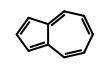


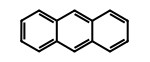


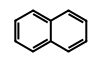


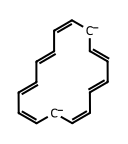
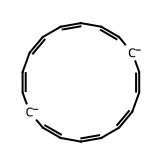
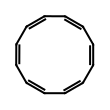

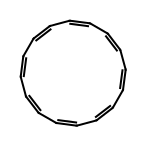
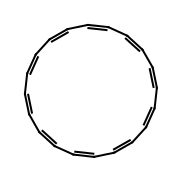
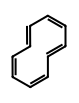
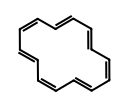
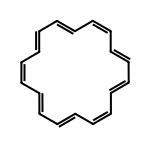
Show answer and solution
Answer key (A = aromatic, AA = antiaromatic, N = non-aromatic): 1 AA 2 A 3 A 4 AA 5 A 6 A 7 N 8 A 9 A 10 N 11 A 12 AA 13 A 14 A 15 A 16 N 17 N 18 N 19 AA 20 A 21 N 22 A 23 N 24 AA 25 A 26 AA 27 A 28 N 29 A 30 AA 31 A 32 AA 33 A 34 N 35 A 36 AA 37 AA 38 A 39 AA 40 AA 41 AA 42 AA 43 A 44 A 45 A 46 A 47 N 48 A 49 AA 50 A 51 A 52 AA 53 AA 54 N 55 N 56 N 57 A 58 A 59 A. Corrections: 11 (cyclopropene, with an ) is non-aromatic. 36 (cyclooctatetraene) is tub-shaped, so non-aromatic in reality (antiaromatic only if forced planar). 48 (cyclobutenyl anion, one charge) is non-aromatic: its breaks the ring of p orbitals; the dianion would be aromatic. 33 (benzyl cation) has an aromatic ring, but the cation as a whole is usually just called resonance stabilised. 53 ([16]annulene) is non-planar in practice, so non-aromatic.