Aromaticity: practice set 5 of 7

Aromaticity questions: Worksheet 1: compare resonance energy (I vs II in each pair)

1 question, each with the answer and a worked solution under it. Try each one before you open the answer.

By Sunil Kumar. Updated 19 November 2026.

(a) I
(a) I
(a) II
(a) II
(b) I
(b) I
(b) II
(b) II
(c) I
(c) I
(c) II
(c) II
(d) I
(d) I
(d) II
(d) II
(e) I
(e) I
(e) II
(e) II
(f) I
(f) I
(f) II (allyl radical)
(g) I
(g) I
(g) II
(g) II
(h) I chroman
(h) I chroman
(h) II 2H-chromene
(h) II 2H-chromene
(i) I
(i) I
(i) II
(i) II
(j) I
(j) I
(j) II
(j) II
(k) I
(k) I
(k) II
(k) II
(l) I
(l) I
(l) II
(l) II
(m) I azulene
(m) I azulene
(m) II
(m) II
(n) I
(n) I
(n) II
(n) II
(o) I
(o) I
(o) II
(o) II
(p) I
(p) I
(p) II
(p) II
(q) I
(q) I
(q) II
(q) II
(r) I
(r) I
(r) II
(r) II
(s) I
(s) I
(s) II
(s) II
(t) I
(t) I
(t) II
(t) II
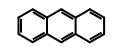
(u) I anthracene
(u) I anthracene
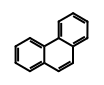
(u) II phenanthrene
(u) II phenanthrene
(v) I
(v) I
(v) II
(v) II
(w) I
(w) I
(w) II
(w) II
(x) I
(x) I
(x) II
(x) II
(y) I
(y) I
(y) II
(y) II
1Worksheet 1 answers
Show answer and solution

Answer key: (a) < (b) > (c) < (d) > (e) < (f) > (g) > (h) < (i) > (j) < (k) > (l) > (m) > (n) < (o) < (p) < (q) < (r) < (s) > (t) < (u) < (v) > (w) < (x) > (y) <. Notes: (m) the measured resonance energy of naphthalene (about 61 kcal/mol) is much larger than that of azulene (about 33), so the correct sign is <. (y) F sits on the carbon, so it acts only by its -I effect, which is stronger than that of Cl: the F cation is less stabilised, and the original question's < is right.

Previous setNext set: Worksheet 2: aromatic, antiaromatic or non-aromatic?