Resonance: practice set 5 of 10

Resonance questions: Practice: write all resonance structures

1 question, each with the answer and a worked solution under it. Try each one before you open the answer.

By Sunil Kumar. Updated 19 November 2026.

1Example 14.14

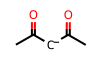
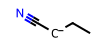
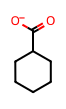
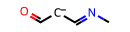
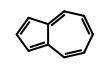
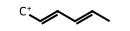
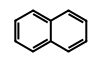
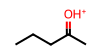
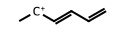
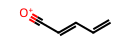
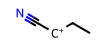
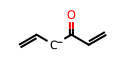
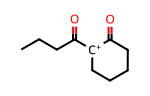
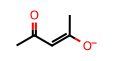
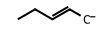
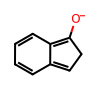
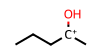
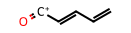
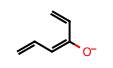
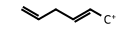
Write the resonance structures of each species, with arrows.
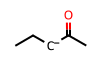
1
1
2
2
3
3
4
4
5
5
6
6
7
7
8
8
9
9
10
10
11
11
12
12
13
13
14
14
15
15
16
16
17
17
18
18
19
19
20
20
21
21
22
22
23
23
24
24
25
25
26
26
27
27
28
28
29
29
30
30
Show answer and solution

Main contributors (move lone pairs, bonds or charges one step at a time):
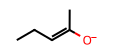
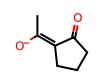
1: enolate
1: enolate
2: enolate
2: enolate
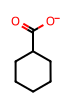
3: charge on either O
4: allyl anion, other end
5: other Kekule form
6: charge at C1, C3, C5 of the pentadienyl unit
7: O atoms swap
7: O atoms swap
8: the C3 charge passes through the ring to the C=O oxygen (last of several forms)
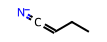
9: ketenimine anion
9: ketenimine anion
10
10
11: and the other enolate
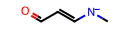
12: also CN=CC=C[O-]
12: also
13: charge on C1, C3, C5, C7
14: also para; N carries the charge in the start form
15: other Kekule form
16: also CC=C[CH+]C=C
16: also
18: three Kekule forms
19
19
20: also C=C[CH+]C=CC
20: also
21: then C=C[CH+]C=C=O, [CH2+]C=CC=C=O
21: then ,
22: equivalent form
22: equivalent form
23: charge next to C=O, a poor form
24: three equivalent forms
26: seven equivalent forms
27: then N1=CC=C[CH-]CC1
27: then
28: and C=CC(=O)C=C[CH2-]
28: and
29: only the first C=C is conjugated with C+

17, 25 and 30: the only extra forms move a pair toward the cation and leave O or N with six electrons (for example to ). They are very poor contributors; a carbocation next to C=O or CN is strongly destabilised.

Previous setNext set: Energy diagrams (solved)