Topic 1 of 6
Alkenes
Nomenclature of Alkenes and Alkynes notes: Alkenes, explained step by step.
Alkenes have a C=C; general formula (one C=C, no ring). Old name: olefins (oil-forming, because ethene and chlorine give an oily liquid). Suffix -ene.
Rules for alkenes
- The parent chain must contain the C=C (in the older exam rule, the maximum number of multiple bonds, even if it is not the longest chain).
- Number from the end that gives the C=C the lowest number; cite only the first carbon of the double bond: but-1-ene, not but-1,2-ene.
- If the C=C gets the same number from both ends, the substituents decide (lowest locants, then alphabetical order).
- Two C=C: -diene with the "a" added: buta-1,3-diene, penta-1,4-diene.


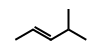
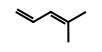
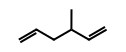
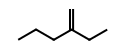
Longest chain or chain with the C=C?
In 2-ethylpent-1-ene the longest chain (6 C) does not contain the C=C, so a 5-carbon chain is used. The 2013 IUPAC rules now choose the longest chain first (it would be 3-methylidenehexane), but exam books follow the "chain must contain the multiple bond" rule.