Organic chemistry and drugs
Introduction notes: Organic chemistry and drugs, explained step by step.
Modern medicine expects a specific drug for a specific disease. Three famous examples:
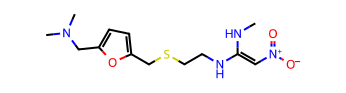
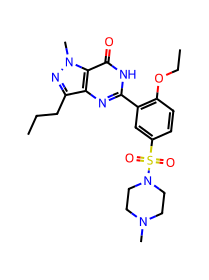
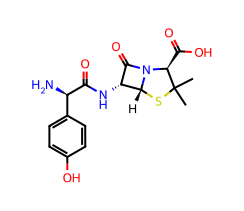
The four-membered cyclic amide in penicillins and amoxicillin is the -lactam ring (a lactam = cyclic amide; because N is on the carbon of the acid chain). Ring strain makes it reactive: it acylates the bacterial enzyme that builds the cell wall.
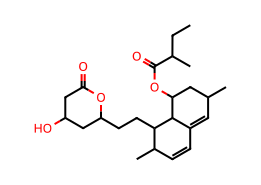
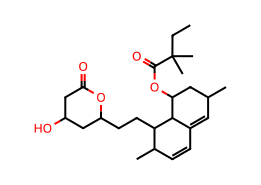
Statins lower blood cholesterol. They inhibit the liver enzyme (HMG-CoA reductase) that makes a precursor needed for cholesterol synthesis. With less cholesterol made, the liver makes more LDL receptors, which pull LDL ("bad" cholesterol) out of the blood. Roughly, every 10 % fall in cholesterol cuts deaths from coronary heart disease by about 15 %.
- Lovastatin (Mevacor) and simvastatin (Zocor): natural statins.
- Atorvastatin (Lipitor): synthetic, more potent and longer lasting, because its breakdown products are also active. It is less polar, so it stays longer in liver cells where it acts. Smaller doses are enough.