Identifying functional groups in real molecules
Functional Groups notes: Identifying functional groups in real molecules, explained step by step, with 2 worked examples.
- Look for C=O first. Then check what is attached to the carbonyl carbon: H (aldehyde), two C (ketone), OH (acid), OR (ester), N (amide), X (acyl halide), O-C=O (anhydride).
- Then look at O and N not attached to C=O: OH on sp C (alcohol), OH on a ring (phenol), C-O-C (ether), N with H or C only (amine; count its carbons for 1/2/3).
- Finally note C=C, CC, aromatic rings, halogens, S groups.
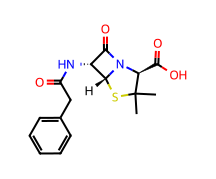
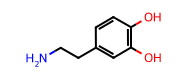
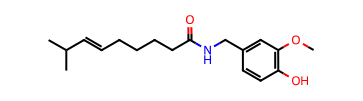
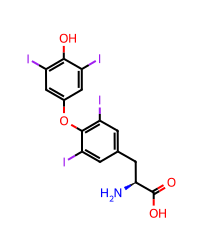
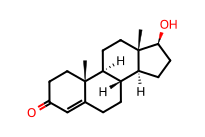
Name the functional groups in cortisone.
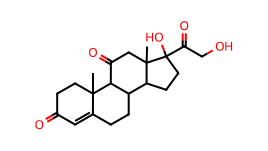
Show answer and solution
Three ketones (ring C=O at C3 and C11, side-chain C20 C=O), one C=C conjugated with the C3 ketone (an enone), a 3 alcohol (C17-OH) and a 1 alcohol (C21-). Types: alcohol, ketone, alkene. There is no ether and no amine.
Suggest six structures with formula and name their functional groups.
Show answer and solution
DBE . Each structure needs two rings or bonds in total.
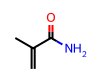
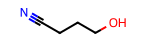
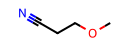

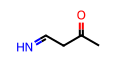
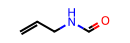
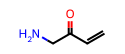
Many more answers are possible (cyclic ethers with nitrile, oximes, isocyanates and so on).
Read the atoms around every C=O before naming it. Same general formula does not mean same series; a mass difference of 14 does not prove homology. Smallest ester = methyl formate (60 g/mol).